Soft Electromagnetic Valve – Auckland Bioengineering Institute
2025 · Research / Mechanical Design

Summary
Designed and prototyped a soft bistable electromagnetic valve to regulate liquid metal flow into a soft robotic actuator powered by a magnetohydrodynamic (MHD) pump. The project integrated magnetic circuit modelling, mechanical design, and experimental validation to evaluate force generation, switching behaviour, and energy efficiency. I developed simulation-driven designs using electropermanent magnets (EPMs), enabling state switching with short electrical pulses and no continuous power draw. The system demonstrated fast switching (<1 s) and stable bistable behaviour, offering an energy-efficient actuation approach for soft robotic systems.
More Information About the Project
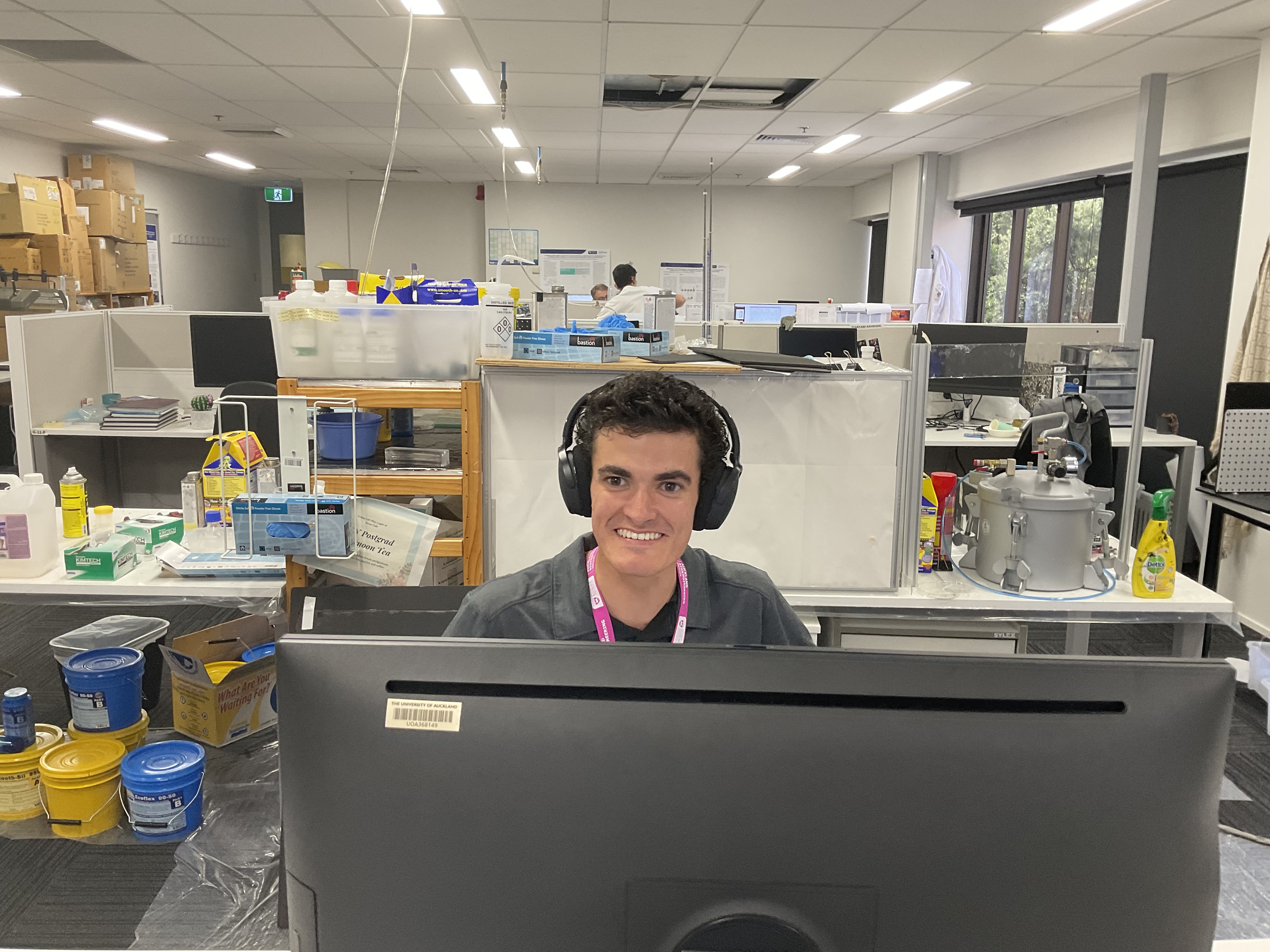
This research internship was completed at the Auckland Bioengineering Institute (ABI) within the Bioinstrumentation Lab. The aim was to design an electrically driven soft valve capable of controlling liquid metal flow into a soft actuator. The key constraint was achieving bistable operation without continuous power consumption.
Engineering Context
Soft robotic systems require lightweight, compliant actuation mechanisms that can operate safely in unstructured environments. Traditional solenoids consume continuous power to hold position, which limits efficiency in wearable or portable systems. The solution explored was an electropermanent magnet (EPM) actuator, combining NdFeB and Alnico magnets to create a switchable magnetic field that maintains its state without continuous energy input.
Magnetic and Mechanical Design
I conducted magnetic circuit analysis to evaluate flux pathways, force output, and switching behaviour. Python-based modelling was used to simulate magnet configurations, coil excitation requirements, and trade-offs between force generation and power consumption.
The EPM was embedded within a silicone structure to actuate a diaphragm-style valve. When activated, the magnetic circuit pulled an iron element to block liquid metal flow; when switched, the valve returned to its alternate state. Designs were iteratively refined through CAD modelling, prototype fabrication, and experimental testing.
Validation and Iteration
Prototypes were tested for switching time, mechanical repeatability, and energy use. Performance analysis focused on:
- Force generation sufficient to seal the valve
- Switching speed (<1 second)
- Minimising energy required per state change
- Maintaining stable bistable behaviour without drift
The iterative process combined modelling, physical constraints, and experimental results to refine geometry, magnet sizing, and coil design. This project required balancing electromagnetic performance with manufacturability and integration into compliant silicone structures.
Research and Collaboration
In parallel with technical development, I conducted literature reviews on soft robotic actuation, magnetic systems, and fluid control mechanisms to inform design decisions. The project was completed within an interdisciplinary research team, working alongside researchers in bioengineering and robotics.
The internship also included engagement with Pacific research frameworks and community-driven design approaches, broadening my understanding of how engineering research connects to societal and cultural contexts.
Key Skills & Tools
Electromagnetic & Mechanical Design
- Magnetic circuit analysis (flux pathways, force estimation)
- Electropermanent magnet (EPM) actuator design
- Bistable actuation principles
- Soft robotic valve integration within silicone structures
Modelling & Simulation
- Python-based modelling and parameter studies
- Design trade-off analysis (force vs energy vs geometry)
- Iterative simulation-driven prototyping
Research & Engineering Practice
- Technical literature review and synthesis
- Experimental validation and performance analysis
- Interdisciplinary collaboration
- Technical poster presentation and research communication
Gallery